
Education & Research
Support the entire area
To have the greatest possible impact, donate here: your gift will be distributed among all Culture of Compassion initiatives.
The world we live in
Human beings are complex by nature. Alongside cognitive and rational abilities, they possess an inner dimension shaped by awareness, emotions, relationships and ethical orientation, all of which contribute to their growth and balance. Thoughts, emotions, values and connections, together with skills and competencies, define the person as a whole.
In contemporary Western society, however, measurable qualities tend to be valued above all else. Educational systems and academic discourse focus largely on what can be assessed and quantified, while the development of inner awareness, empathy and ethical responsibility often receives less attention.
In recent years, new pedagogical and scientific approaches have emerged that promote a more holistic understanding of the person, one that includes the inner dimension. These perspectives are not yet fully integrated into mainstream education or academic research.
Today’s challenges
Reducing a person to their performance impoverishes our understanding of what it means to be human. When inner, emotional and ethical development has little space in education and research, we lack essential tools to understand ourselves and others.
In contemporary societies, including high-income contexts, psycho-emotional distress is a widespread reality and is recognized as one of the major public health challenges1. This shows that material well-being and access to opportunities are not enough to ensure inner balance.
Yet in schools, education in awareness and relational competence remains marginal. At the same time, within scientific research, the study of contemplative sciences is not yet fully integrated into Western academic discourse. Today’s challenges therefore concern both how we educate the next generations and the direction of research, and the underlying vision of the human person that shapes them.

Our perspective
We believe in a vision that recognizes the richness and complexity of human experience. Alongside cognitive skills, space should also be given to inner awareness, emotional maturity, ethical responsibility and the quality of relationships. Cultivating these dimensions helps each person develop balance and the ability to guide their choices with awareness.
An approach that brings together competencies and inner development fosters healthier relationships, both with ourselves and with others, and provides a solid foundation for a more respectful and constructive form of social coexistence. When people learn to understand their inner dimension, they become more capable of listening, empathy and mutual care. From this integration can emerge a deeper well-being, both individual and collective.
Our commitment
Working in this direction means supporting educational pathways and research projects that foster the integral development of the person.
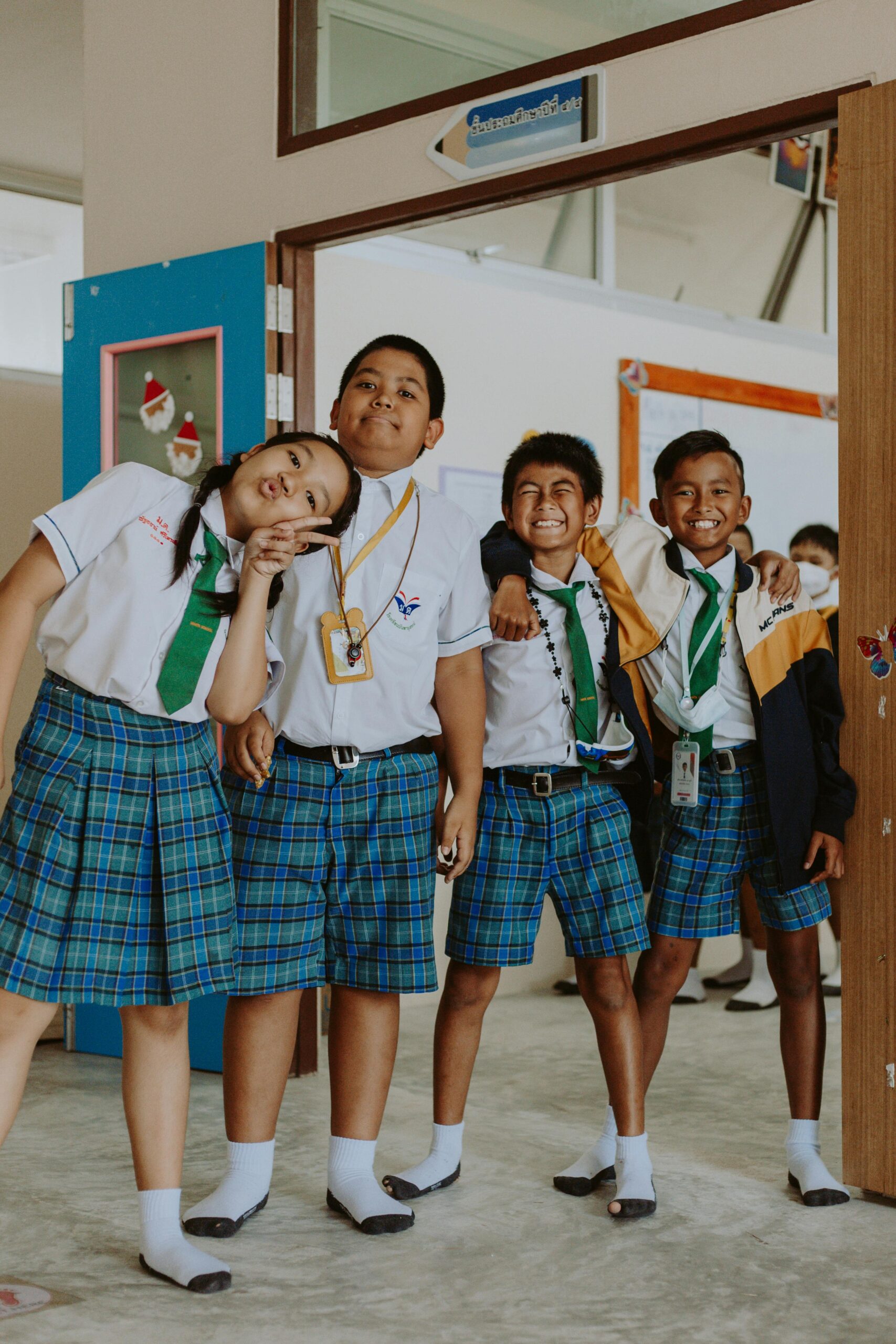
We support pedagogical initiatives that promote awareness, socio-emotional competencies and ethical responsibility from early childhood. At the same time, we encourage the advancement of contemplative studies within scientific and academic contexts, fostering rigorous dialogue between traditional knowledge and contemporary research. We collaborate with institutions, social organizations and experts to contribute to change in this direction, seeking impact that is both deep and lasting.