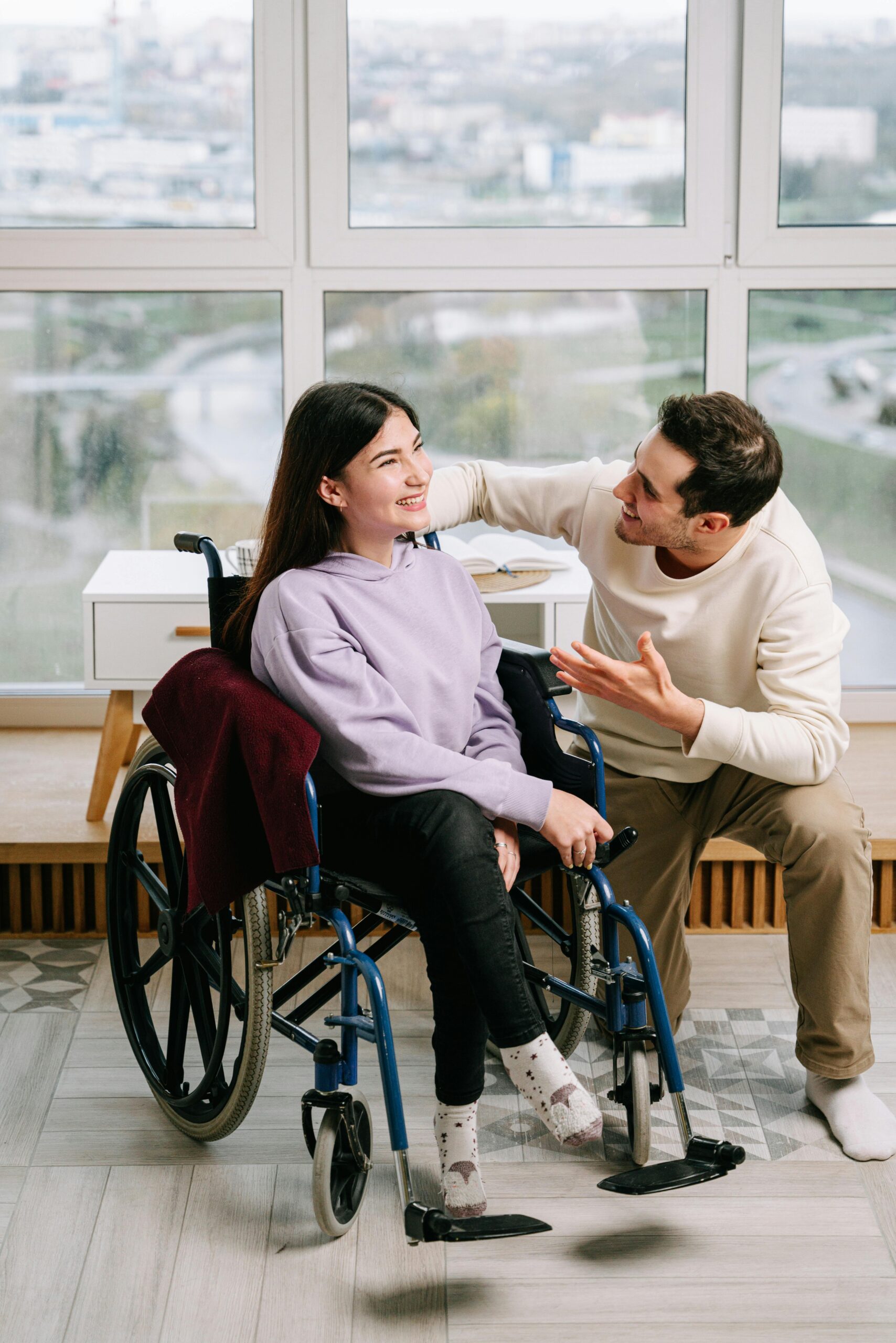
Care

Support the entire area

Per avere il maggior impatto possibile, dona qui: il tuo contributo sarà distribuito tra tutte le iniziative di Cura.

The form is not published.

The world we live in

Reality is impermanent: every element is in constant change, within an endless network of causes and effects. This is not a dogma, but an observable condition of our world, recognized 2,500 years ago by Buddhist philosophy and today also confirmed by modern science.

In its continuous unfolding, life naturally includes suffering, illness, aging and death. Accepting these aspects, however challenging, as an integral part of our human experience means recognizing life for what it is, rather than for what we would like it to be.

Western society tends to reject this view. In moments of fragility, such as illness, physical suffering is often compounded by avoidable psychological suffering, linked to the refusal to accept fragility as a possible condition. This attitude contributes to the marginalization of people in fragile circumstances and of those who care for them.

Today's challenges

Embracing fragility is particularly difficult in contemporary Western society, shaped by a culture that celebrates an ideal of fixed perfection: people who are always healthy, beautiful, high-performing and productive. An unattainable ideal that generates frustration, isolation and suffering.

Reversing this tendency is a crucial step toward a healthier, fairer and more inclusive society. Illness, aging and death are human experiences that, when understood in a more natural way, can bring us together through care and shared experience, rather than making us feel inadequate and alone.

This shift is especially needed in care settings, where a perspective that embraces fragility can have a profound impact on patients, caregivers, and healthcare professionals.

Our perspective

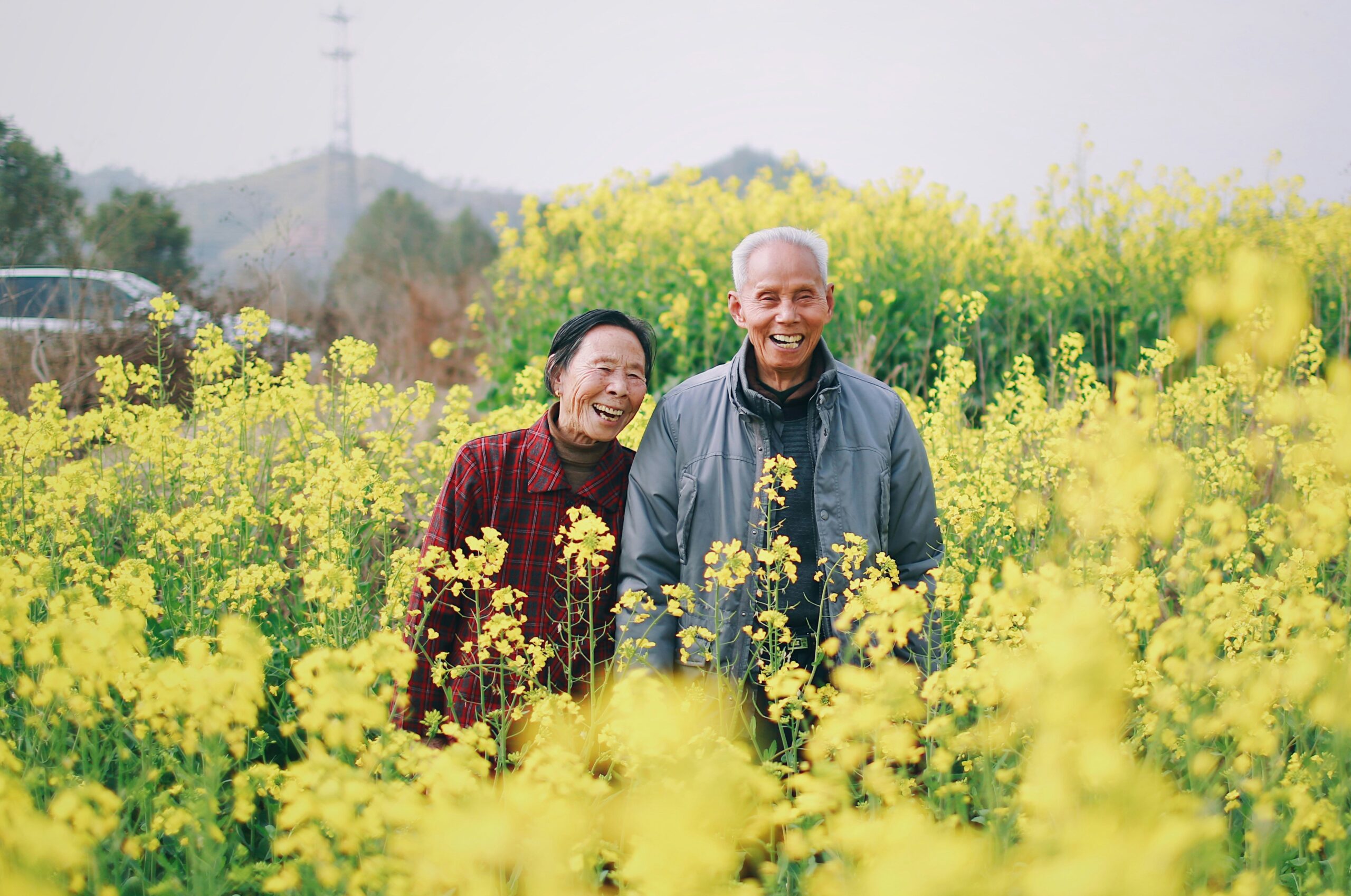
Promoting a compassionate view that embraces illness, aging and death as natural stages of existence is a concrete way to alleviate the deep suffering of our society, so marked by frustration and dissatisfaction.

It is crucial that this shift in perspective first takes place where fragility is directly experienced: in care settings, both formal and informal. A transformation in these spaces would immediately reach those who need it most, including all stakeholders in the care domain, from patients to their caregivers, from doctors to decision-makers.

In a society that suffers from pursuing unattainable ideals, we believe that fostering a more welcoming and understanding approach to human fragility is an important step towards both individual and collective well-being.
Our commitment

Since everything is destined to pass, recognizing this truth can free us from a great psychological burden, that is typical of contemporary life. For this reason, we aim to offer an alternative to the Western view that glorifies vitality and health while marginalizing vulnerability and illness.

We bring this vision to life by supporting social initiatives that promote a compassionate and mindful approach to human fragility. We collaborate with local organizations, institutions and stakeholder associations with the goal of assisting and supporting people facing various forms of fragility, valuing relationships built on trust and compassion.

Explore other areas

Education & Research

Ecology

Compassion Culture

Hope for Tibet’s Children

OVERVIEW

All children have the right to grow up with joy, dignity, safety and guaranteed access to education.

Today, however, many young Tibetan children in exile see these rights seriously at risk. As stateless refugees, they live in difficult and uncertain conditions, compounded by the danger that their culture, rooted in compassion and wisdom, may be wiped out.

Wisedāna Foundation supports projects that provide these children with safe spaces to study, grow together, and preserve their cultural roots. Among our trusted partners is the Tibetan Children’s Village, an institution led for over 40 years by Jetsun Pema, known as the “Mother of Tibet” and a member of our Board of Directors.

You can also support the right to childhood, health, and education. Together, let’s protect the future of the Tibetan people.

Join us in supporting the right to childhood, health and education. Together, let’s protect the future of the Tibetan people.

CONTEXT

In the 1950s, Tibet was occupied by China. Since then, thousands of Tibetans have been living in exile. Those who remained in their homeland are subjected to ongoing surveillance and repression, aimed at completely erasing Tibetan culture. Fortunately, for more than sixty years, some countries have offered refuge to Tibetan exiles. In India in particular, stable Tibetan communities have developed over time and continue to welcome new refugees fleeing from Tibet or the Himalayan regions.

Tibetan children are the most vulnerable members of these communities. Many are orphans or have been sent away by their families to escape the repression, in the hope that they can grow up safely in refugee settlements abroad.

His Holiness the 14th Dalai Lama has always stressed that education is a vital tool to protect the Tibetan people. Only through access to quality schooling can young Tibetans preserve their identity and the precious culture of Tibetan compassion—a priceless gift for all of humanity—and build a life of dignity and self-reliance. Defending the right to a safe childhood and to education for all Tibetan children is one of our core missions.

The form is not published.

PROBLEM

Schools, clinics and shelter centers supporting Tibetan refugee children are in urgent need of sustained funding. The Tibetan cause receives little media attention, international aid is declining, and several institutions are now at risk of closing. This would leave hundreds of children without access to education, healthcare and the safe environments they need to grow.

Without adequate support, these children face heightened vulnerability: to poverty, social exclusion, exploitation, and the loss of their cultural identity. A humanitarian and cultural crisis is unfolding, and the new generations of Tibetans may be left without the essential support they need to build a future.

WHAT CAN YOU DO?

With a donation, you can help provide education, medical care, shelter and protection to Tibetan children living in exile. The funds raised will support schools, hospitals and education centers that care for hundreds of young people every day, offering them a safe place to grow and thrive together.

Helping these children means preserving an ancient culture rooted in compassion, nonviolence and harmony with nature. It also means giving a new generation of Tibetans the tools to build a dignified future, for themselves and for their people.

Your support can make a real difference.

Let’s protect Tibetan children’s right to childhood and education.