
Care
Support the entire area
To have the greatest possible impact, donate here: your gift will be distributed among all Culture of Compassion initiatives.
The world we live in
Reality is impermanent: every element is in constant change, within an endless network of causes and effects. This is not a dogma, but an observable condition of our world, recognized 2,500 years ago by Buddhist philosophy and today also confirmed by modern science.
In its continuous unfolding, life naturally includes suffering, illness, aging and death. Accepting these aspects, however challenging, as an integral part of our human experience means recognizing life for what it is, rather than for what we would like it to be.
Western society tends to reject this view. In moments of fragility, such as illness, physical suffering is often compounded by avoidable psychological suffering, linked to the refusal to accept fragility as a possible condition. This attitude contributes to the marginalization of people experiencing vulnerability and of those who care for them.
Today's challenges
Embracing fragility is particularly difficult in contemporary Western society, shaped by a culture that celebrates an ideal of fixed perfection: people who are always healthy, beautiful, high-performing and productive. An unattainable ideal that generates frustration, isolation and suffering.
Reversing this tendency is a crucial step toward a healthier, fairer and more inclusive society. Illness, aging and death are human experiences that, when understood in a more natural way, can bring us together through care and shared experience, rather than making us feel inadequate and alone.
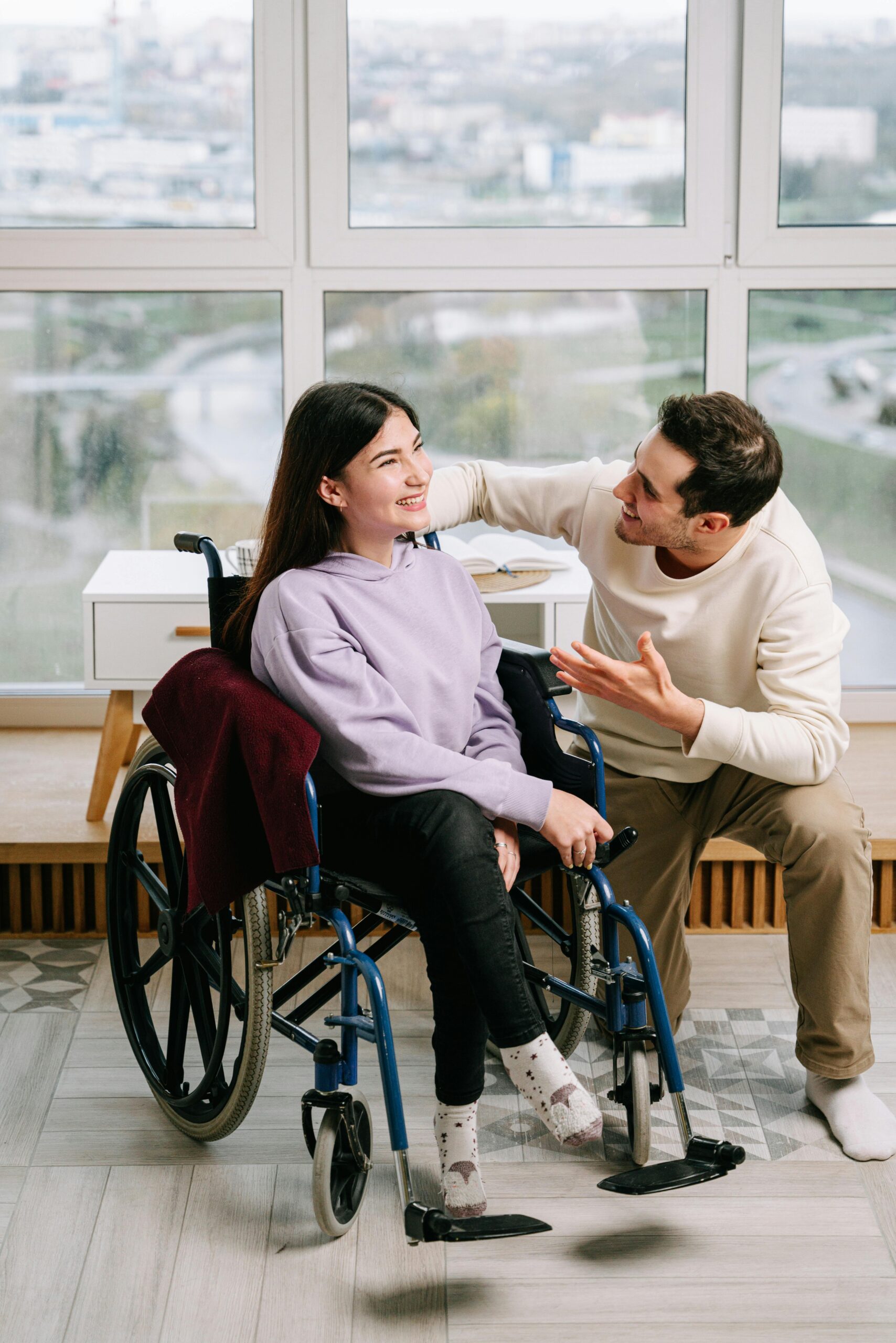
This shift is especially needed in care settings, where a perspective that embraces fragility can have a profound impact on patients, caregivers and healthcare professionals.
Our perspective
Promoting a compassionate view that embraces illness, aging and death as natural stages of existence is a concrete way to alleviate the deep suffering of our society, so often marked by frustration and dissatisfaction.
It is crucial that this shift in perspective first takes place where fragility is directly experienced: in care settings, both formal and informal. A transformation in these spaces would immediately reach those who need it most, including all stakeholders in the care domain, from patients to their caregivers, from doctors to decision-makers.
In a society that suffers from pursuing unattainable ideals, we believe that fostering a more welcoming and understanding approach to human fragility is an important step towards both individual and collective well-being.
Our commitment
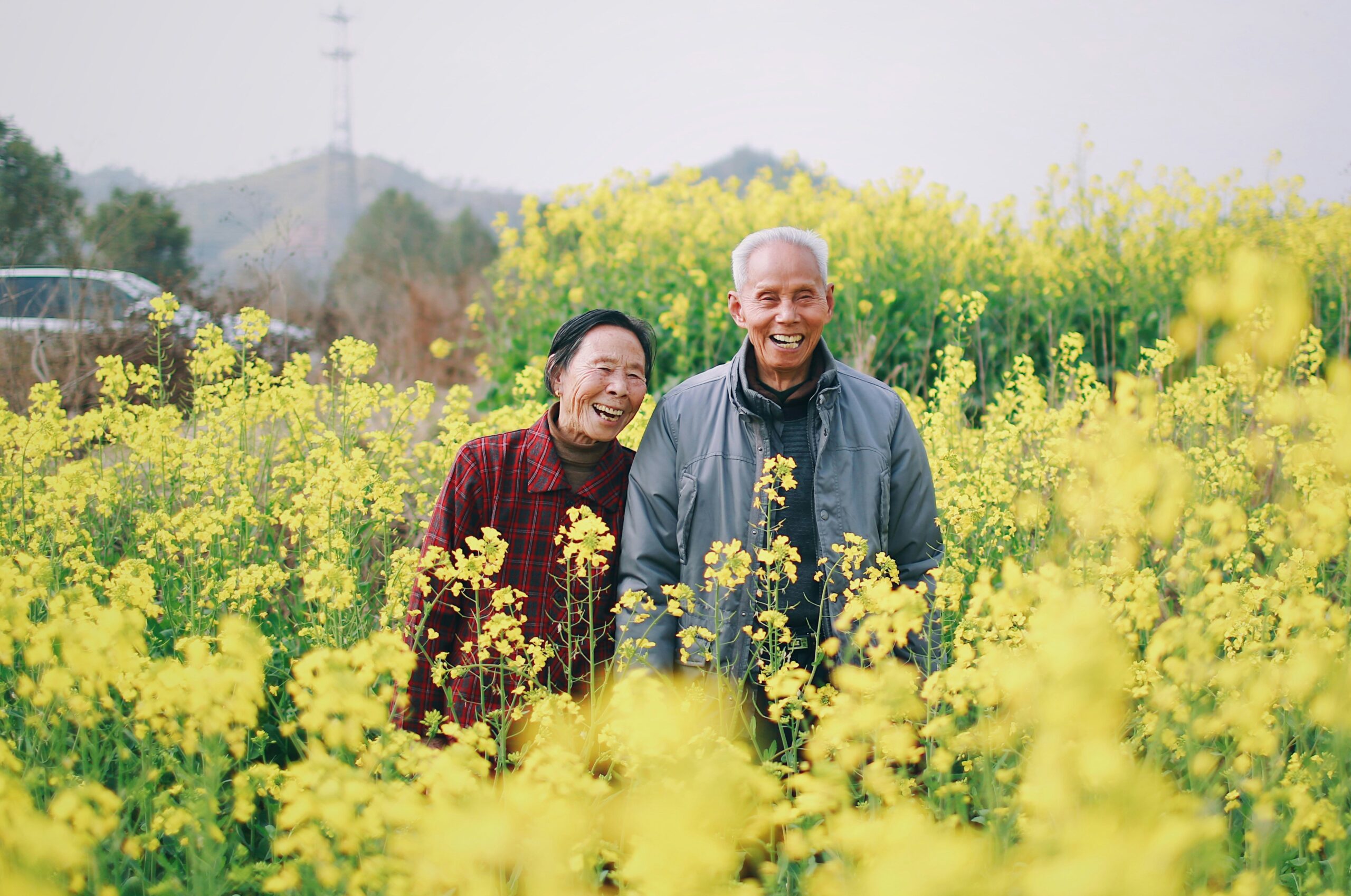
Since everything is destined to pass, recognizing this truth can free us from a great psychological burden that is typical of contemporary life. For this reason, we aim to offer an alternative to the Western view that glorifies vitality and health while marginalizing vulnerability and illness.
We bring this vision to life by supporting social initiatives that promote a compassionate and mindful approach to human fragility. We collaborate with local organizations, institutions and stakeholder associations with the goal of assisting and supporting people facing various forms of fragility, valuing relationships built on trust and compassion.